How to Choose the Best Flooring for Every Room in Your Home
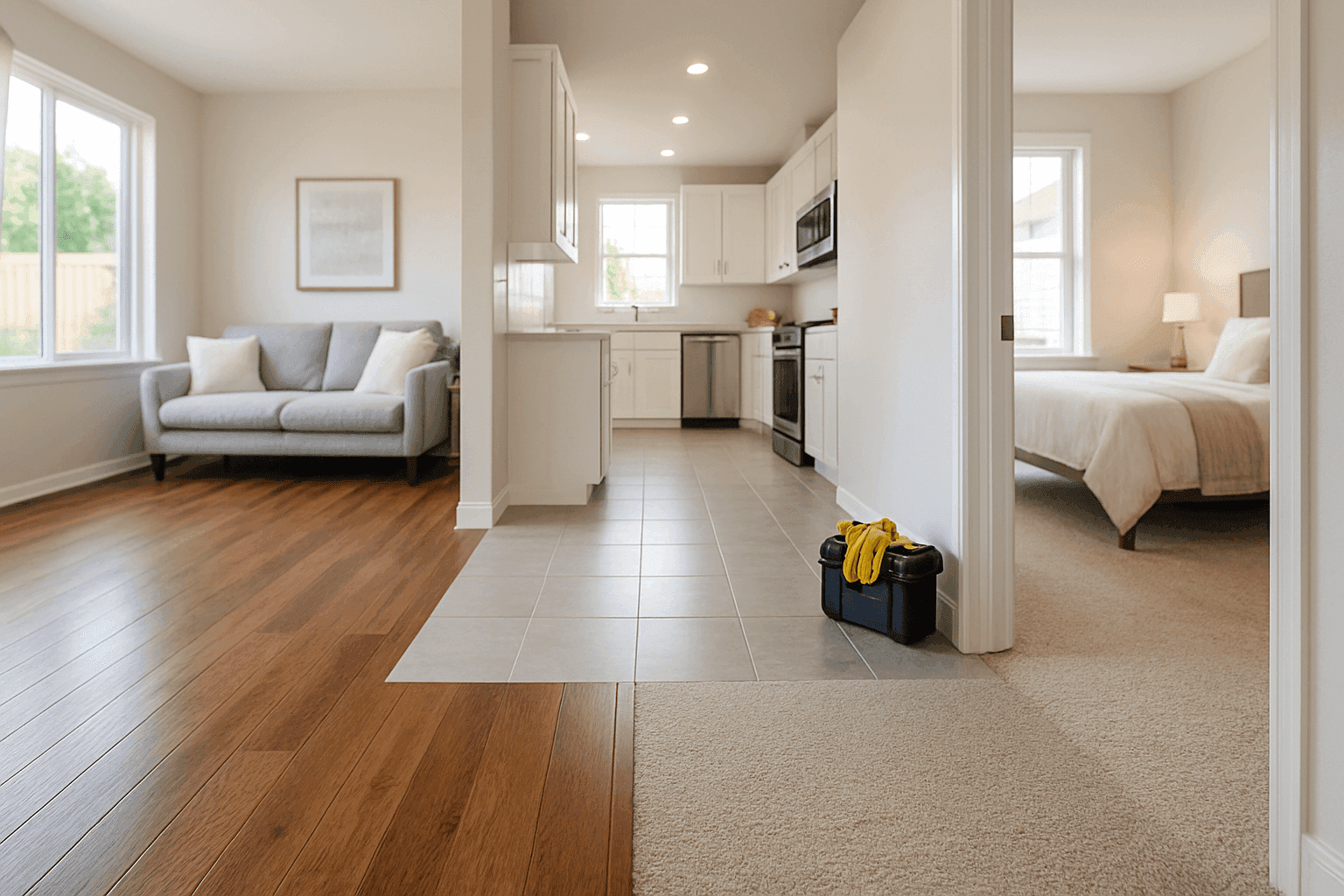
Are the floors in your home telling stories you wish they wouldn’t? Maybe the kitchen tiles are cracked, or your bedroom carpet looks tired. Choosing new flooring isn’t just about style—it’s about making your home safer, cozier, and more functional for everyone under your roof.
At DND Flooring, we help homeowners turn hesitation into confidence. With decades of hands-on experience, we understand what stands up to muddy paws, toddler spills, and the everyday marathon of life. Here’s our room-by-room guide to finding the best flooring—without second-guessing every step.
Why the Right Flooring Matters
Flooring is more than a surface. It’s the stage for morning routines, family gatherings, and quiet moments. The wrong choice can lead to headaches—like slippery tiles in the bathroom or warped wood in a damp basement. The right choice? It feels like a natural fit.
Quick Safety Checklist 🛑
Before you dive into samples and swatches, consider these essentials:
- Slip resistance: Especially in kitchens, bathrooms, and entryways.
- Moisture tolerance: Basements, bathrooms, and laundry rooms need water-friendly materials.
- Allergy sensitivity: Hard surfaces like hardwood, tile, and vinyl trap less dust and allergens than carpet.
- Subfloor health: A solid, level subfloor prevents squeaks and damage down the road (see National Wood Flooring Association guidelines).
- Local codes: Always check your municipality’s flooring, fire, and safety codes before starting.
Flooring Room-by-Room: What Works Best (and Why)
Let’s walk through your home, one space at a time.
High-Traffic Zones (Entryways, Hallways, Mudrooms)
These areas see it all—mud, rain, snow, and plenty of footsteps.
Best options:
- Luxury Vinyl Plank (LVP): Water-resistant, tough, and easy to clean.
- Tile: Especially porcelain or ceramic—hard-wearing and nearly waterproof.
- Laminate: Good for dry climates. Look for water-resistant options.
Avoid: Softwoods and unsealed hardwoods. They scratch and dent easily.
Kitchens
A kitchen floor faces dropped pans, splashes, and heavy traffic.
Best options:
- Tile: Classic for kitchens. Stain-resistant and simple to wipe clean.
- Vinyl Flooring: Cushiony underfoot and resistant to spills.
- Cork: Softer, naturally antimicrobial, and warm.
Why not hardwood? It’s gorgeous, but even sealed hardwood can suffer from repeated water exposure.
Bathrooms & Laundry Rooms
Moisture is the main villain here.
Best options:
- Tile: The go-to, especially porcelain. Grout needs sealing.
- Luxury Vinyl Tile (LVT): Imitates stone or wood, but stands up to splashes.
- Epoxy Flooring: Seamless and waterproof.
Avoid: Laminate, non-waterproof wood, and carpeting.
Living Rooms & Family Spaces
These rooms call for comfort, beauty, and durability.
Best options:
- Hardwood Flooring: Timeless, can be refinished, and adds value.
- Carpet: Cozy and noise-dampening, especially in homes with young children.
- Bamboo Flooring: Sustainable and tough.
- Cork: Cushiony and quiet.
Bedrooms
Softness and warmth matter most.
Best options:
- Carpet: Keeps toes warm and rooms quiet.
- Cork or Bamboo: Hypoallergenic and gentle underfoot.
- Hardwood: For a classic, versatile look—add an area rug for comfort.
Allergy tip: Choose low-pile or hypoallergenic carpets if you’re sensitive to dust.
Basements
Basements get cool, damp, and sometimes even wet.
Best options:
- Vinyl Plank or Tile: Handles humidity and minor flooding.
- Epoxy Flooring: Seamless, mold-resistant.
- Concrete (sealed or coated): Modern and durable.
Avoid: Hardwood and standard laminate—they can warp or swell.
Home Offices & Studies
Comfort meets practicality.
Best options:
- Laminate: Affordable, easy to clean, and resists scratches from rolling chairs.
- Vinyl: Quiet and simple to maintain.
- Carpet tiles: Modular and replaceable.
DIY vs. Call a Pro
Some flooring jobs are weekend projects. Others? Not so much.
- DIY-friendly: Floating laminate, vinyl planks, and carpet tiles.
- Call a pro: Hardwood, tile (for even grout lines), subfloor repair, epoxy coating, radiant floor heating, and anything involving moisture barriers.
Complex prep, intricate patterns, or heavy materials? Professional installers have the right tools and experience to avoid costly mistakes.
What DND Flooring Pros Do On Arrival
When you schedule a Flooring Consultation near you, here’s what to expect:
- Thorough inspection: We check your subfloors for level, moisture, and stability.
- Lifestyle assessment: We listen. Kids, pets, allergies, or special needs? We factor it all in.
- Material guidance: Samples in hand, we’ll walk you through pros and cons for each room.
- Code compliance: All choices meet safety and fire codes (International Residential Code, ASTM standards).
Prevention & Maintenance
The best floor is one that looks good for years—not just the first month.
- Sweep and mop regularly: Keeps grit from scratching surfaces.
- Area rugs: Protect high-traffic zones and add warmth.
- Seal grout and hardwood: Prevents stains and water damage.
- Felt pads: Under furniture to avoid scuffs.
- Humidity control: Use dehumidifiers in basements and moisture-prone rooms.
Routine maintenance is easier than deep repairs. For professional cleaning, especially for grout and hardwood, follow manufacturer recommendations and ASTM cleaning standards.
Costs & Time Factors
Budget shapes every project—but so does time.
- Laminate & Vinyl: Fast to install, affordable, and minimal mess. Usually 1-2 days per room.
- Tile & Hardwood: More costly, with longer installation and finish times (2-5 days per room).
- Carpet: Quick to lay, but needs time to air out for allergy-sensitive folks.
- Epoxy & Concrete Coatings: Curing takes 2-3 days, but creates a seamless finish that lasts.
Always factor in removal of old flooring, subfloor repair, and drying time—especially for adhesives or coatings.
When It’s an Emergency
Flooded basement after a storm? Broken pipe soaked the carpet?
- Act fast: Remove standing water within 24–48 hours to prevent mold (see CDC mold guidelines).
- Call for help: Professional drying and floor removal can prevent further damage.
- Don’t ignore smell or buckling: These are signs your flooring or subfloor needs urgent attention.
Flooring FAQs
How do I know if my subfloor needs repair?
Uneven spots, squeaks, or soft sections mean it’s time to check below the surface.
Is eco-friendly flooring durable?
Options like bamboo, cork, and some recycled products are surprisingly tough. Ask about warranty and maintenance requirements.
What’s the best flooring for pets?
LVP, tile, and sealed hardwood resist scratches and are easy to clean up after accidents.
Can I install new floors over old ones?
Sometimes. Laminate and vinyl can go over existing surfaces if they’re flat and dry, but always check for trapped moisture and height changes at doors.
Local/Seasonal Considerations 🌦️
Climate shapes flooring choices more than most realize.
- Humid climates: Avoid solid hardwood or non-waterproof laminate. Opt for vinyl, tile, or engineered wood.
- Cold winters: Radiant floor heating under tile or engineered wood makes a world of difference.
- Allergy season: Hard surfaces and regular cleaning keep pollen and dust at bay.
Always let new flooring acclimate to your home for a few days before installation—especially wood products.
Ready to step onto better floors?
Call DND Flooring now — or reach us anytime at 877-879-0701 .