Flooring Maintenance 101: Pro Tips to Keep Your Floors Looking New
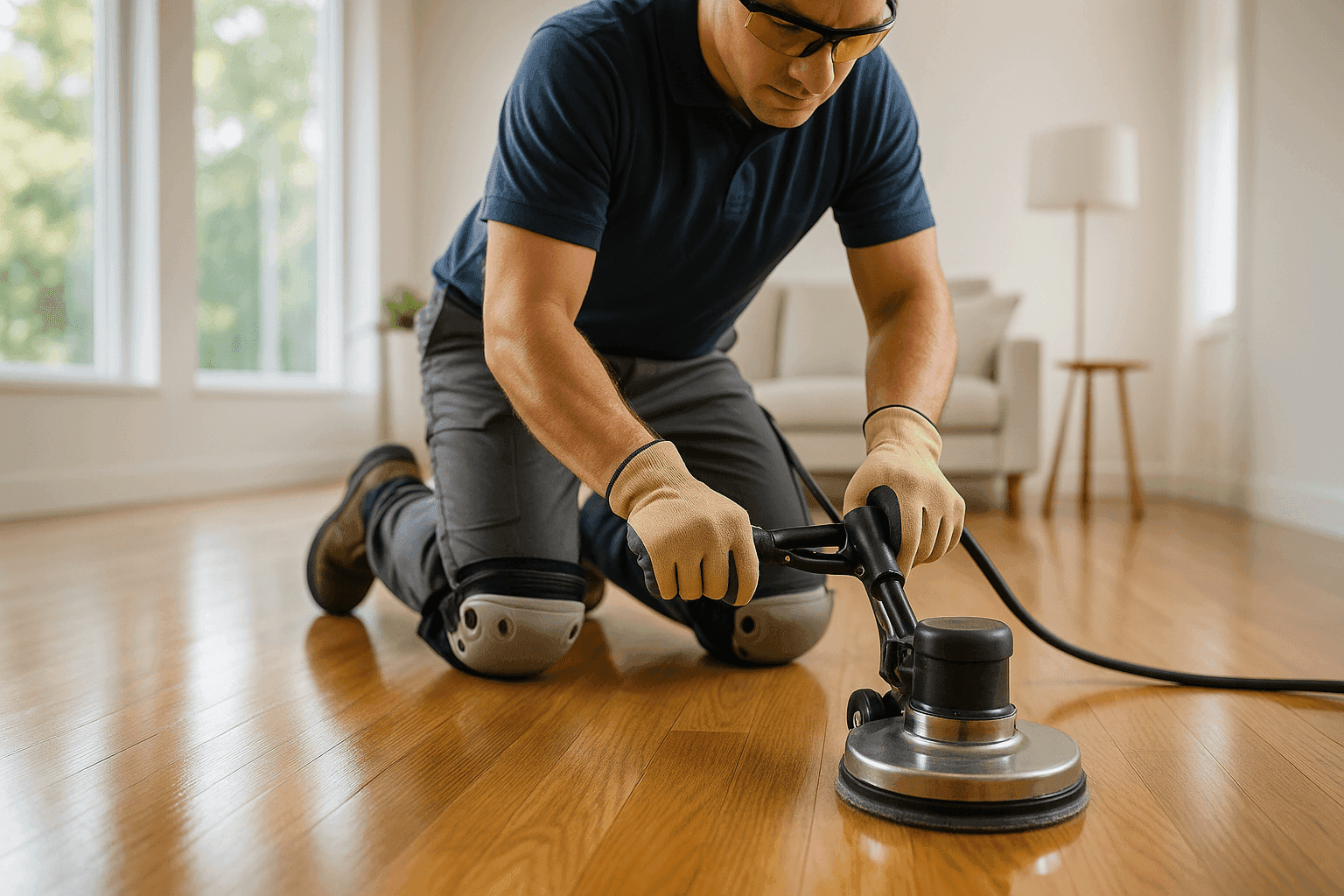
You love your home. Every inch of it tells a story—especially your floors. But life is busy, and floors are the first to show it. Muddy boots, spilled drinks, the endless tap of pet paws. It all adds up. The good news? A little know-how can keep your floors looking as fresh as move-in day.
At DND Flooring, we’ve seen every kind of scuff, scratch, and stain. With years of hands-on experience and up-to-date flooring consultation near you, we know what works—and what doesn’t. Here’s how to care for your floors, season after season.
Why Good Flooring Maintenance Matters
Think of your flooring like the tires on a car. You use them every day, but ignore them and you’ll feel every bump along the way. Regular care keeps things smooth, safe, and looking sharp. Whether it’s engineered hardwood, waterproof vinyl, soft carpet, or tile, staying proactive means fewer costly repairs and a longer, happier life for your investment.
Quick Safety Checklist 🛡️
Before you grab a mop or cleaner, run through this checklist to keep your home (and yourself) safe:
- Always check manufacturer flooring care guides before using new products.
- Ventilate rooms when cleaning (especially with chemical products).
- Use gloves for cleaning solutions—some can irritate skin.
- Keep floors dry to prevent slips and accidents.
- Unplug any powered floor equipment before cleaning or repairs.
- Move furniture carefully—use sliders or lift, don’t drag.
Following safety standards from organizations like the National Wood Flooring Association (NWFA) or Carpet and Rug Institute (CRI) helps you avoid common pitfalls.
DIY or Call a Pro?
Some maintenance is a breeze—think sweeping, vacuuming, or wiping up spills. But not every job is a weekend project. Ask yourself:
- Is the stain or scratch deep? Surface marks are often DIY-friendly. Deep gouges, warped planks, or subfloor issues? Call a pro.
- Is there water damage or mold? This needs quick, expert attention.
- Are you unsure about the right cleaning product? Flooring consultation near you can prevent accidental damage.
If you’re ever in doubt, it’s safer (and cheaper) to call a professional than risk a bigger repair down the road.
What Pros Do On Arrival
Flooring pros don’t just show up with a mop and bucket. Here’s what you can expect when calling DND Flooring or a reputable service:
- Inspection: We assess the type of flooring, age, and current condition.
- Identify Problem Areas: Pinpoint hidden damage, high-traffic wear, or moisture issues.
- Use Specialized Tools: From industrial vacuums to advanced scrubbers, pros bring equipment that cleans deeper and safer than DIY gear.
- Apply Safe Products: We use cleaning agents and finishes that match your flooring’s needs and manufacturer recommendations.
- Offer Honest Advice: Sometimes, repair beats replacement. Sometimes, a simple refinishing saves years of wear. We’ll give you the facts.
Cleaning Tips by Flooring Type
Let’s break it down. Every floor type has its own personality—and care routine.
Hardwood Floors
- Sweep or vacuum weekly with a soft-bristle attachment.
- Use a damp (not wet) microfiber mop for cleaning. Wood hates standing water.
- Wipe spills immediately to avoid stains and warping.
- Avoid harsh chemicals or wax-based cleaners; stick to pH-neutral products.
- Refinish every few years, as recommended by the NWFA.
Laminate Flooring
- Dry mop or vacuum regularly.
- Use a damp cloth for sticky spots—never soak the floor.
- Place mats at entryways; grit can scratch the surface.
- Never use abrasive pads or wax.
Vinyl & Luxury Vinyl Plank (LVP/LVT)
- Sweep or vacuum to remove dirt and dust.
- Mop with a mild, non-abrasive cleaner.
- Avoid excessive water; vinyl seams can trap moisture.
- Check seams and edges for lifting.
Tile Flooring
- Sweep or vacuum to prevent grit from scratching glaze.
- Mop with warm water and a tile-safe cleaner.
- Clean grout lines monthly with a soft brush.
- Seal grout annually for better stain resistance.
Carpet
- Vacuum high-traffic areas two to three times a week.
- Address spills right away—blot, don’t rub.
- Schedule professional steam cleaning yearly.
- Rotate area rugs to even out wear.
Stain and Scratch Prevention
An ounce of prevention? Worth a pound of polish.
- Use felt pads under chairs and furniture.
- Place doormats inside and outside entrances.
- Take shoes off indoors, especially high heels.
- Trim pet nails regularly.
- Rotate heavy furniture occasionally.
With strategic placement of rugs and runners, especially in hallways or by sinks, you can prevent wear and tear before it starts.
Humidity and Moisture Control
Floors are like Goldilocks—they don’t like air that’s too dry or too damp. Keep your home’s humidity between 35–55% (per NWFA recommendations). Use a humidifier in winter if your wood floors start to gap. Run a dehumidifier in sticky, humid months, especially in basements. Always mop up spills promptly, and keep an eye out for leaks under sinks, fridges, or dishwashers.
When to Call in the Pros
Sometimes, even the best DIY efforts have their limits. Call DND Flooring if you notice:
- Deep scratches, gouges, or splinters in wood.
- Lifting, curling, or bubbling in vinyl or laminate.
- Discolored, cracked, or missing tiles.
- Persistent carpet stains that won’t budge.
- Musty odors or visible mold.
- Squeaky, spongy, or uneven flooring—this could mean subfloor trouble.
We offer thorough floor inspections and can recommend the right fix, from sanding and refinishing to complete replacement if needed.
What Does Maintenance Cost? ⏳
Maintenance doesn’t have to break the bank—or your back. Here’s what to expect for time and costs (ranges only; actuals depend on the floor and its condition):
- DIY cleaning: 30 minutes to 2 hours per room. Minimal cost beyond supplies.
- Professional deep cleaning: 1–4 hours per room, depending on type and severity.
- Refinishing hardwood: Several hours to a few days, including drying time.
- Major repairs: Can take a day or more, especially if subfloors or multiple layers need attention.
Budget for annual professional cleaning or inspection—small investments now prevent bigger headaches down the road.
Emergency Flooring Situations
Occasionally, floors need attention now:
- Burst pipe or flooding—safety first, then call for floor and subfloor drying.
- Large, deep gouges or splinters—these are both unsightly and unsafe.
- Warping, buckling, or sudden lifting—immediate assessment is crucial.
- Mold or mildew that keeps coming back—can signal hidden water issues.
If it feels urgent, it probably is. Fast action can save your floor—and your wallet.
FAQ: Home Flooring Care
How often should I deep clean my floors?
Hardwood, laminate, and vinyl benefit from deep cleaning every 6–12 months. Carpets should be professionally cleaned once a year, more often in high-traffic homes. Tile and grout need extra attention at least every season.
Can I use vinegar or bleach on my floors?
Not always. Vinegar can dull wood and damage grout; bleach can discolor many surfaces. Always check the manufacturer’s care guide or consult a professional.
What’s the best way to prevent scratches?
Keep floors clean and grit-free, add felt pads to furniture, and use entry mats. Avoid dragging anything heavy.
Is radiant floor heating hard to maintain?
No, but regular checks and prompt repair of any leaks or malfunctions are key. Follow the manufacturer’s guidelines for safe operation.
Local & Seasonal Considerations 🌦️
Homes in humid areas or with snowy winters face unique challenges. Salt and snowmelt can damage wood and vinyl; moisture can sneak into basements. Use extra mats in winter, and check for salt or grit daily. In the rainy months, keep a dehumidifier running in lower levels or areas prone to dampness. Seasonal floor inspections can catch issues early.
Keep Your Floors Looking Their Best
Your floors are the foundation of your home’s comfort and style. With the right approach—and a little help from the pros when needed—they’ll stay beautiful year after year.
Call DND Flooring now — or reach us anytime at 877-879-0701 .