Epoxy vs. Concrete vs. Tile: Which Garage Flooring Lasts Longest?
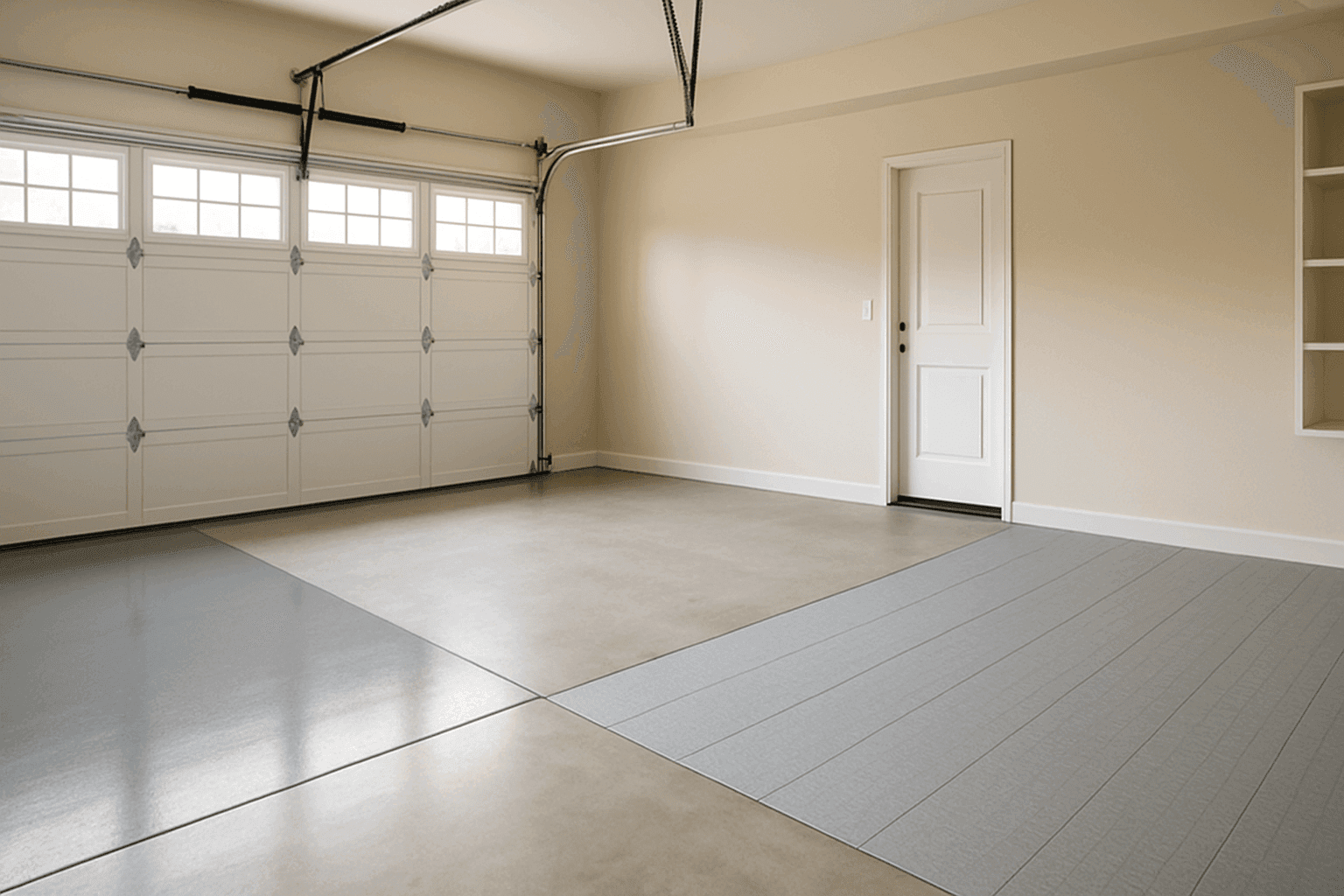
Getting a garage floor right means more than just looking good. It’s about lasting through oil drips, muddy boots, heavy tools, and whatever the seasons throw your way. If you’re stuck between epoxy, concrete, or tile, you’re not alone. Each one has its own strengths. Each one brings its own quirks.
At DND Flooring, we’ve walked across more garage floors than most people see in a lifetime. We know what holds up, what cracks, and what’s worth your time (and money). Let’s break down the big three options—epoxy, concrete, and tile—so you can make a choice that stands the test of time.
The Real Garage Floor Dilemma
Your garage isn’t just a place for cars. It’s a workshop, a storage room, and sometimes a mudroom for your life. The floor takes a beating. Salt in winter. Rain in spring. Oil leaks, dropped wrenches, and the occasional bike tire skidding across. You want something tough—something that won’t leave you patching cracks every year.
Choosing between epoxy, concrete, and tile is like picking the best armor for your garage. Each has pros and cons. Let’s get practical about what matters most.
Quick Safety Checklist Before You Decide 🛡️
- Check for moisture: Tape a plastic sheet to your garage floor for 24 hours. If water appears underneath, there’s a moisture issue.
- Inspect for cracks or uneven spots: These need fixing before any new floor goes down.
- Know your load: Will you park heavy trucks or just store bikes and boxes?
- Think about chemicals: Do you use harsh cleaners, auto fluids, or paints?
- Temperature swings: Does your garage freeze in winter or get hot in summer?
- Ventilation: Good airflow helps any floor last longer.
A quick check now saves big headaches later.
Epoxy Garage Flooring: The Shiny Shield
Installation
Epoxy is a resin poured over concrete. It seals, shines, and hardens into a smooth surface. But prep is everything. The old floor gets cleaned, cracks filled, and the surface roughed up for grip. The epoxy is mixed and rolled on in layers—sometimes with flakes for texture.
Pro tip: Any moisture in the concrete can keep epoxy from sticking. Always test first.
Cost
Epoxy sits in the middle of the pack. Materials are affordable, but labor can add up. DIY kits exist, but pro installation guarantees a smoother, tougher result.
Durability
Epoxy is resilient. It shrugs off oil stains, water, and even dropped tools. But years of hot car tires or dragging sharp objects can wear it down. It won’t crack like concrete, but it can peel if moisture sneaks underneath.
Maintenance
Easy to sweep. Spills wipe right up. Every few years, you might need a touch-up or new topcoat.
Repairs
If the epoxy peels or chips, a professional can patch small spots. Bad prep or serious moisture means redoing whole sections.
Concrete Garage Flooring: The Classic Workhorse
Installation
Most garages start with a concrete slab. Laying a new one is backbreaking work—digging, framing, pouring, leveling. Old concrete can be refinished or coated, but it’s only as strong as the base underneath.
Pro tip: A proper moisture barrier under your slab can save years of hassle.
Cost
Concrete is usually the cheapest up front. But leveling, sealing, or resurfacing adds to the tab.
Durability
Concrete stands up to heavy vehicles and wild temperature swings. But it’s not invincible. It can crack with ground movement, freeze-thaw cycles, or if installed too thin.
Maintenance
Sweep and hose it off. Unsealed concrete stains easily. Salt and oil seep in, leaving marks that last.
Repairs
Cracks can be filled, but patch jobs rarely match the rest of the floor. Major damage may need resurfacing.
Tile Garage Flooring: The Upscale Contender
Installation
Garage tiles are thicker than what’s in your kitchen. Porcelain and specialty tiles are laid over concrete with heavy-duty adhesive and grout. Subfloor has to be perfectly flat. Any movement below can cause tiles to crack.
Pro tip: Look for tiles rated for outdoor or commercial use—not just any tile will do.
Cost
Tile is usually the priciest of the three. Materials and precise labor add up fast.
Durability
Quality tile resists dents, stains, and chemicals. It laughs at oil spills. But dropping a heavy tool can crack a tile. Grout lines are vulnerable to dirt and moisture.
Maintenance
Mop and sweep regularly. Grout needs cleaning and sealing to prevent stains or mildew.
Repairs
A cracked tile means removing and replacing just the damaged piece. Grout repairs are trickier.
Head-to-Head: How Do They Handle Real Garage Life?
Installation: Prep & Pain Points
- Epoxy: Needs a dry, clean, slightly rough surface. Usually a two-day process, longer if repairs are needed first.
- Concrete: New pours are major projects. Repairs take time to cure. Needs leveling and moisture checks.
- Tile: Demands a flawless subfloor. Installation can stretch over several days, especially for large garages.
Cost: What to Expect
- Epoxy: Moderate. Labor and materials balance out. DIY kits save money but can be risky.
- Concrete: Lowest up front if slab is in good shape. Repairs and sealing add cost over time.
- Tile: Highest. Quality tiles and installation are investments.
Durability: The Long Game
- Epoxy: 5–10 years before you might need a refresh, longer with good prep and care.
- Concrete: Decades if poured well and maintained, but cracks are common.
- Tile: 10–20 years with proper installation and sealing. Grout is the weak link.
Resistance to Moisture, Oil, and Stains
- Epoxy: Excellent. Spills bead up. Salt and moisture can’t penetrate.
- Concrete: Poor unless sealed. Absorbs oil, water, and salt.
- Tile: Tile itself is great—grout needs regular sealing.
Maintenance & Repair
- Epoxy: Easy to clean. Touch-ups needed for chips or wear.
- Concrete: Low effort, but stains stick. Cracks hard to disguise.
- Tile: Clean often. Grout lines demand attention.
Common Garage Floor Problems—and How Each Option Stacks Up
Temperature Swings
- Epoxy: Can peel if the slab sweats or there’s a big freeze-thaw cycle.
- Concrete: Expands and contracts, leading to cracks. Needs expansion joints.
- Tile: Tiles can crack with movement; choose flexible grout and expansion gaps.
Heavy Loads
- Epoxy: Handles cars, mowers, and tools. Dragging sharp items may scratch.
- Concrete: Takes the heaviest loads—semis, ATVs, anything you throw at it.
- Tile: Strong, but drop a heavy tool and you risk a chip or crack.
Moisture
- Epoxy: Only as good as the prep. Hidden moisture is its kryptonite.
- Concrete: Wicks moisture unless sealed.
- Tile: Impervious above, but water can seep into grout or under tiles if not sealed.
DIY or Call in a Flooring Consultation Near You?
If you love a weekend project, epoxy kits or tile squares might tempt you. But here’s the catch: Garage floors aren’t like living room floors. Subtle mistakes—missed moisture, unlevel spots, bad adhesive—can mean trouble later.
DIY may work if:
- Your concrete is flawless and dry.
- You have the right tools and time.
- You’re comfortable with prep and cleanup.
Call a pro if:
- You spot cracks, stains, or uneven spots.
- You want the floor to last a decade or more.
- Repairs or moisture issues need fixing first.
A Flooring Consultation near you can spot red flags before they become big repairs.
What Happens When Pros Arrive
Here’s what to expect when DND Flooring steps in:
- Inspection: We check for cracks, moisture, and subfloor issues.
- Prep: Cleaning, leveling, filling cracks, and grinding for grip.
- Moisture testing: No shortcuts—hidden dampness ruins floors.
- Installation: Epoxy mixing and rolling, concrete pouring and smoothing, or tile laying and grouting.
- Cure time: Floors need rest before you roll your car in.
We follow safety guidelines from the National Wood Flooring Association and American Concrete Institute for every step.
Prevention & Maintenance Tips
- Epoxy: Sweep often. Mop spills quickly. Reapply a topcoat every 5–7 years.
- Concrete: Seal every few years. Clean up salt and oil quickly.
- Tile: Sweep and mop. Seal grout lines. Replace cracked tiles fast.
Investing a little time each season keeps your garage floor strong.
Costs & Time Factors
- Epoxy: Materials cost less, but labor adds up. Most jobs take 2–4 days.
- Concrete: Cheapest up front. Repairs and sealing add cost and time.
- Tile: Highest price tag. Installation can run a week or more.
Remember, poor prep means higher long-term costs—repairs, touch-ups, do-overs.
What Counts as a Garage Flooring Emergency?
- Sudden cracks or heaving: Could mean water or soil problems below. Needs quick action.
- Widespread peeling or bubbling epoxy: Usually from hidden moisture—requires rapid assessment.
- Loose or shattered tiles: Can be a trip hazard and signal bigger issues.
If your floor feels unsafe or unusable, call a flooring professional right away.
FAQ: Garage Flooring Edition
Q: Can I put new flooring over old concrete with cracks?
A: Only if cracks are repaired and moisture is under control. Skipping this step means any new floor may fail.
Q: Will epoxy yellow or fade?
A: Quality epoxy resists UV, but direct sunlight can cause some yellowing over time.
Q: Is tile slippery when wet?
A: Some tiles are. Choose slip-resistant textures for safety.
Q: How do I know if my garage floor has moisture issues?
A: Tape down a plastic sheet overnight. If condensation appears, you have moisture coming up.
Seasonal and Local Considerations 🌡️
- Colder climates: Freeze-thaw cycles are tough on concrete and tile. Expansion joints and flexible grout help.
- Humid regions: Moisture barriers are a must for any flooring.
- Salty winters: Salt eats into unsealed concrete. Epoxy and tile hold up better.
- Dusty areas: Smooth floors like epoxy are easiest to sweep clean.
Always check for local building codes. Some areas require specific slip resistance or moisture protection.
Decision Matrix: Which Flooring Wins for You?
- Epoxy: Best for easy cleaning, great looks, and chemical resistance. Needs careful prep.
- Concrete: Toughest for heavy loads and lowest up-front cost. Prone to cracks and stains.
- Tile: Most stylish and stain-proof. Higher cost and needs careful installation.
Think about how you use your garage, your budget, and how much upkeep you’re willing to do. If you’re unsure, a Flooring Consultation near you can help map out the best plan.
Ready to give your garage a floor built for real life? Call DND Flooring now — or reach us anytime at 877-879-0701 .