Eco-Friendly Flooring Options: Sustainable Choices for Modern Homes
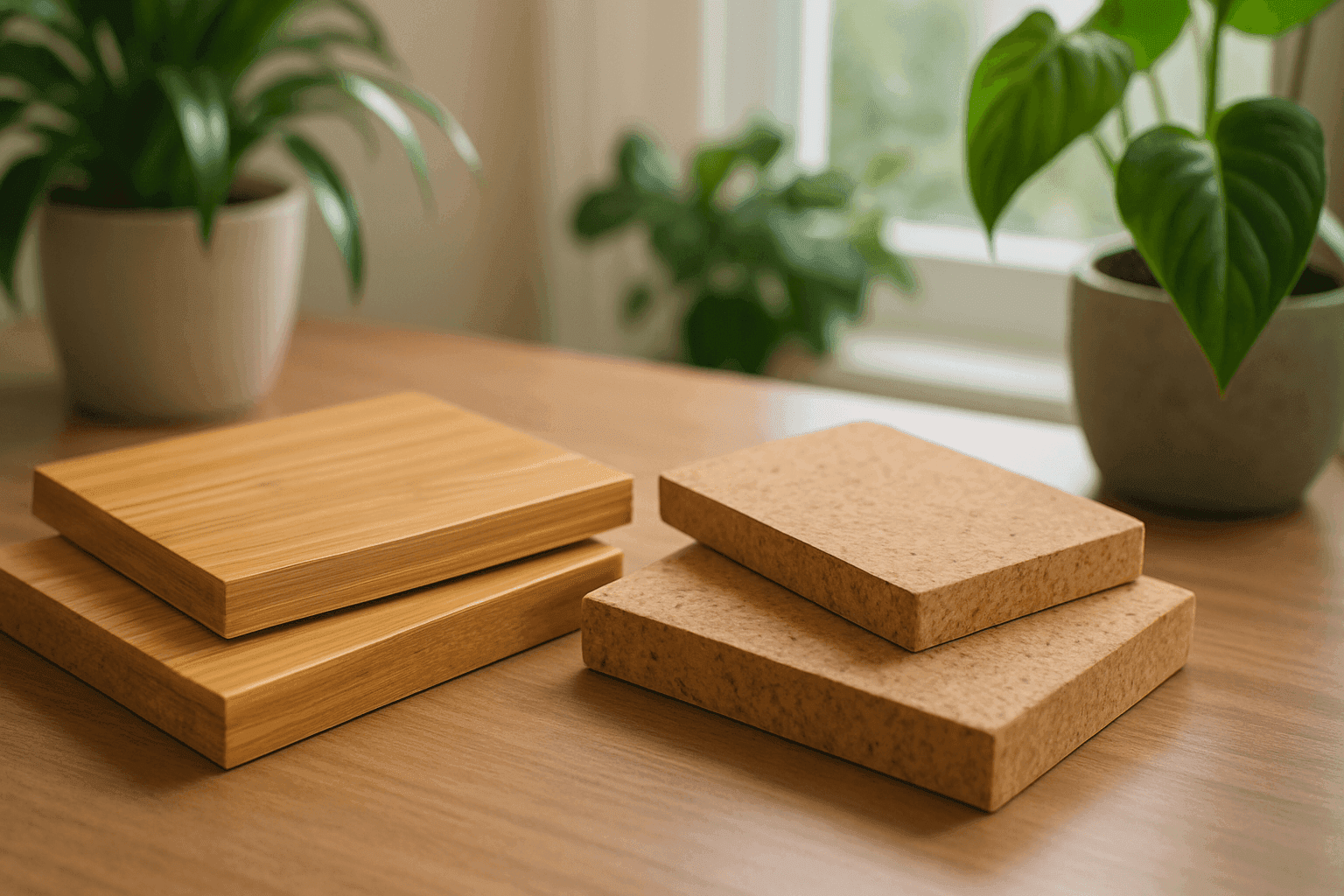
Modern homes crave comfort, beauty, and a lighter footprint. Homeowners want rooms that feel fresh and safe—not just for their families, but for the planet, too. Choosing the right flooring is one of the biggest steps you can take to shrink your impact and create a space that truly reflects your values.
At DND Flooring, we see the demand for eco-friendly flooring growing every year. The good news? Today’s sustainable options are as stylish and durable as they are earth-conscious. If you’ve been searching for “flooring consultation near you” and want to make a change you’ll feel good about, this guide walks you through everything—no greenwashing, just honest insights.
Why Go Green With Your Floors?
Flooring covers every step you take at home. It’s the stage for your life. But not all floors are created equal. Traditional materials can come with baggage: deforestation, harmful chemicals, or waste that lingers for generations.
Eco-friendly flooring offers a different path. Think of it as giving your house new shoes that tread softly on the earth. Sustainable floors use renewable resources, recycled materials, or safer finishes. They often last longer, improve your indoor air, and can even boost your home’s value.
But there’s no “one-size-fits-all.” Let’s unpack the options together.
Key Eco-Friendly Flooring Materials 🌿
Bamboo: Fast-Growing and Flexible
Bamboo is technically a grass, not a tree. It rockets to maturity in just five years (compared to decades for hardwoods). This speedy growth means less strain on forests.
- Environmental Impact: Renewable, regenerative, and biodegradable. Look for brands with Forest Stewardship Council (FSC) certification.
- Durability: Comparable to oak. Strand-woven bamboo is especially tough.
- Care: Sweep often, wipe spills, and avoid soaking.
- Design: Available in planks, tiles, and a rainbow of stains.
Consider: Some bamboo flooring uses adhesives with formaldehyde. Always ask about low-VOC (volatile organic compounds) options.
Cork: Soft, Silent, and Renewable
Cork flooring is made from the bark of the cork oak tree—harvested without harming the tree itself. This bark regrows, making cork a renewable star.
- Environmental Impact: Harvested sustainably; naturally antimicrobial.
- Durability: Bounces back from dents, but sharp objects can scar.
- Care: Damp mop, avoid harsh cleaners, reseal every few years.
- Design: Soft underfoot, subtle grain, excellent sound absorption.
Consider: Cork can fade in sunlight and needs sealing to resist moisture.
Recycled Content Flooring: Giving Old Materials New Life
Repurposed wood, rubber, glass, and even metal tiles are finding new homes underfoot.
- Environmental Impact: Keeps waste out of landfills.
- Durability: Varies—reclaimed hardwood is solid, while recycled rubber is ultra-resilient.
- Care: Depends on the base material.
- Design: Unique, conversation-starting patterns and textures.
Consider: Sourcing locally reduces the carbon footprint even more.
Low-VOC Vinyl & Linoleum: Modern Comfort, Less Off-Gassing
Luxury Vinyl Plank (LVP) and tile (LVT) have come a long way. When made with low-VOC materials, they offer a safer, affordable alternative.
- Environmental Impact: Choose brands with FloorScore® or GREENGUARD certification.
- Durability: Water-resistant, scratch-resistant, easy to install.
- Care: Sweep, mop, and skip harsh chemicals.
- Design: Mimics hardwood, stone, or tile with stunning accuracy.
Consider: Check for recycled content and avoid phthalates.
Sustainable Hardwood: Responsible Beauty
Not all wood floors are the same. FSC-certified hardwood is sourced from responsibly managed forests.
- Environmental Impact: Long lifespan, renewable when managed well.
- Durability: Can be sanded and refinished multiple times.
- Care: Regular sweeping, gentle cleaners, prompt spill cleanup.
- Design: Classic, timeless, and versatile.
Consider: Ask about finishes—water-based sealers are less toxic.
Certifications and What They Mean 🔍
Labels aren’t just for show—they’re your shortcut to a safer, greener floor.
- FSC (Forest Stewardship Council): Guarantees wood or bamboo comes from responsibly managed forests.
- GREENGUARD & FloorScore®: Certify products for low chemical emissions, improving indoor air quality.
- CRI Green Label Plus: Applies to carpets and adhesives with minimal VOCs.
- Environmental Product Declaration (EPD): Details a product’s environmental impact across its lifecycle.
Always request documentation. Reputable flooring consultation near you should be able to explain what every label means.
Quick Safety Checklist for Green Flooring
- Check for third-party certifications (FSC, GREENGUARD, etc.).
- Ask about adhesives and finishes—are they low-VOC?
- Avoid products with added formaldehyde or phthalates.
- Confirm the material’s source and supply chain.
- Consider slip resistance, especially in kitchens and bathrooms.
- If you’re installing radiant heating, confirm compatibility.
DIY or Call a Pro?
Some eco-friendly floors, like click-lock bamboo or cork, are DIY-friendly. If you love a weekend project, you might be tempted to roll up your sleeves. However, tougher installs—like subfloor repair, floor leveling, or radiant heat—demand experience and the right tools.
Ask yourself:
- Do you have the time and patience for careful prep?
- Are there tricky transitions or moisture issues?
- What’s at stake if it goes wrong (warranty, resale value, safety)?
When in doubt, a professional flooring consultation near you can help you avoid costly mistakes.
What Flooring Pros Do On Arrival
Here’s what to expect when you call in DND Flooring or another professional:
- Assess subfloor condition and moisture levels.
- Recommend the best green options based on your needs, style, and budget.
- Review certifications and safety documentation.
- Handle safe removal of old flooring (some may contain asbestos or lead—see EPA guidelines).
- Ensure proper acclimation of materials.
- Install using best practices for longevity and indoor air quality.
Prevention & Maintenance
Eco-friendly floors are built to last, but they still need care.
- Use doormats to trap dirt and grit.
- Clean with soft brooms or microfiber mops.
- Choose pH-neutral or manufacturer-approved cleaners.
- Avoid dragging heavy furniture.
- Maintain recommended humidity levels (especially for wood and cork).
- Reseal as needed to protect from moisture and stains.
Routine maintenance keeps your floors beautiful and safe for years to come.
Costs & Time Factors
Going green doesn’t have to break the bank, but it’s wise to budget realistically. Here’s what often affects price and timeline:
- Material: Cork and bamboo are often mid-range. FSC hardwood costs more but lasts longer. Recycled content can vary.
- Installation: Simpler click-lock systems can be quick. Subfloor prep and custom patterns add time.
- Finishes: Low-VOC or water-based products may cost a bit extra, but the health benefits are worth it.
- Maintenance: Some options (like cork) may need periodic sealing, which is a small ongoing investment.
Expect installation to range from a single day (for snap-together floating floors) to several days (for glue-down, sanding, or complex layouts).
When It’s an Emergency 🚨
Flooded basement? Damaged subfloor? Mold or mildew? Some flooring emergencies can’t wait.
- Remove standing water and dry the area quickly.
- Avoid walking on damaged or buckled floors.
- For suspected mold, consult a certified remediation specialist (see CDC guidelines).
- Call for a flooring inspection pronto—fast action limits long-term damage.
Eco-friendly floors are tough, but like all materials, they can be vulnerable in extreme conditions.
FAQ: Eco-Friendly Flooring Choices
Q: Do green floors cost more than traditional options?
Sometimes, but not always. Factors like certification, material rarity, and installation complexity all play a role. Remember, longevity and lower maintenance can offset initial costs.
Q: Are bamboo or cork floors durable enough for pets and kids?
Yes, with a caveat. Strand-woven bamboo is especially strong. Cork is softer but bounces back—just keep nails trimmed and use area rugs in high-traffic zones.
Q: How do I know if a floor is really “eco-friendly”?
Check for third-party certifications, ask about supply chain transparency, and request VOC emission data. If you’re unsure, a professional flooring consultation near you can guide you.
Q: Can I refinish or repair green floors?
Many eco-friendly options—like FSC hardwood and bamboo—can be sanded and refinished. Cork can often be resealed. Always follow manufacturer recommendations.
Local and Seasonal Considerations
Climate matters. In humid regions, moisture barriers are critical for wood and bamboo. In dry areas, maintaining humidity prevents gaps and cracks. If you’re in a region with big temperature swings, floating floors (like click-lock bamboo or cork) allow for expansion and contraction.
Also, local codes may require certain adhesives or finishes in multi-family or commercial spaces—check with your installer or consult the National Wood Flooring Association for best practices.
Ready to step into a healthier, more sustainable home? DND Flooring offers clear advice and real solutions—no shortcuts, no pressure. If you’re considering eco-friendly flooring or just want a flooring consultation near you, let’s talk about what fits your life, your style, and your values.
Call DND Flooring now — or reach us anytime at 877-879-0701 .