What Does Flooring Installation Really Cost? Budgeting for Every Material
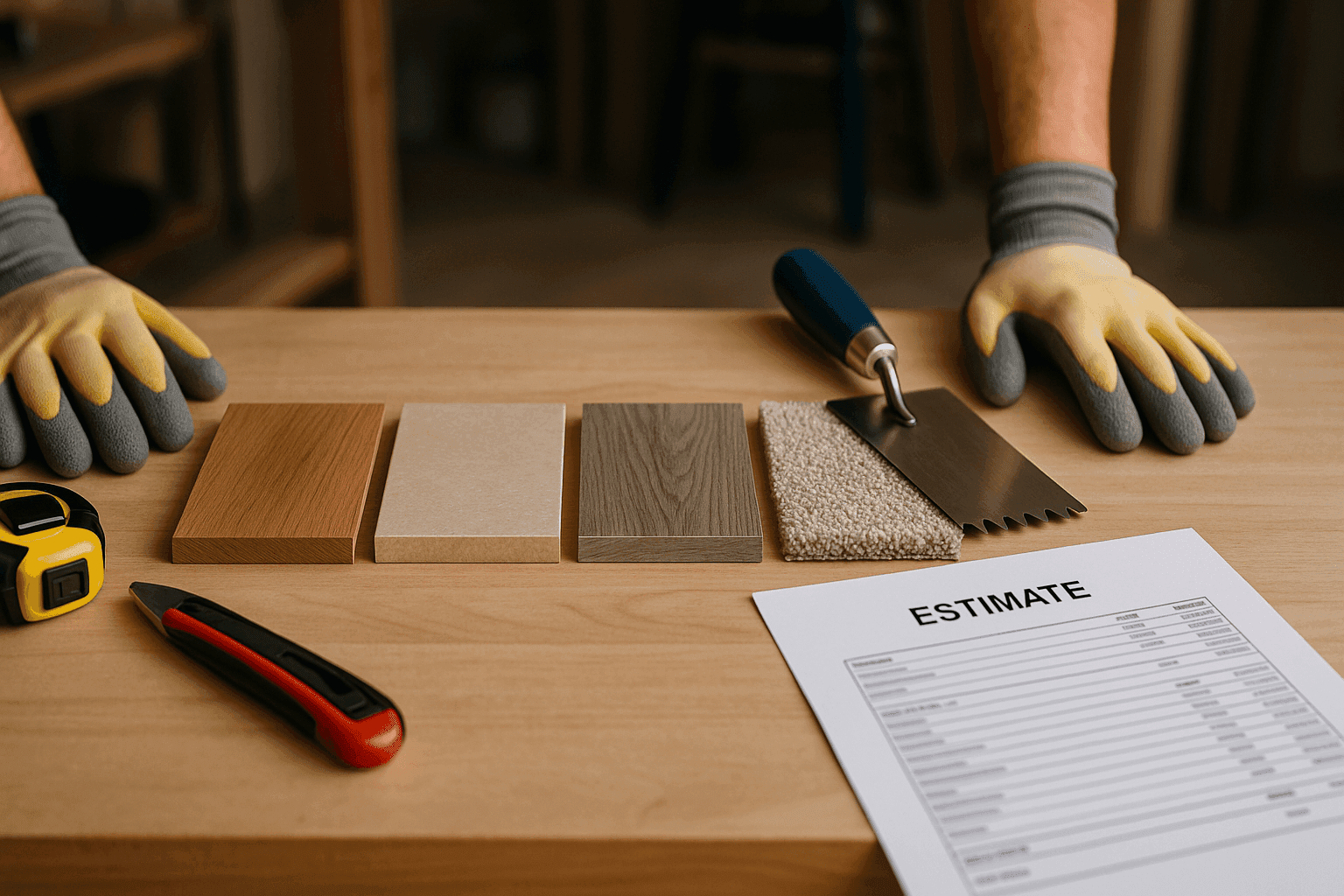
Does the thought of replacing your floors fill you with equal parts excitement and dread? You’re not alone. Most homeowners want beautiful, durable floors—but the big question is always: what will it actually cost? At DND Flooring, we know how confusing flooring estimates can get. Let’s break it down, so you can plan with confidence.
We’ve seen it all—underestimating removal fees, missing the fine print on moisture barriers, or picking a material that’s all flash and no staying power. This guide is built from real-world projects, honest numbers, and practical advice. No surprises. No empty promises. Just what you need to know to get the most out of your flooring investment.
The Real Cost of New Floors: More Than Just the Sticker Price
Installing new flooring is a lot like moving into a new home. There’s the eye-catching surface—hardwood, tile, carpet. But then there’s everything underneath. Subfloors, trims, adhesives, and those sneaky “extras” that pop up midway. The cost isn’t just about picking the prettiest plank.
A realistic floor budget has a few main parts:
- Materials (planks, tiles, carpet, etc.)
- Labor (the skilled hands making it happen)
- Prep work (removal, subfloor repair, leveling)
- Hidden fees (moisture barriers, soundproofing, trims, disposal)
- Maintenance and long-term value
Ignoring any of these is like forgetting to pack socks for a trip—you’ll regret it later.
Quick Safety Checklist Before You Start 🛠️
Before you tear up a single board, take a step back. Safety and prep save headaches (and dollars) down the road.
- Check for asbestos or lead paint in homes built before 1980 (see EPA guidelines).
- Ensure proper ventilation if adhesives or finishes will be used.
- Move all furniture and personal items out of the work zone.
- Locate all heating vents, wiring, and plumbing under floors.
- Confirm subfloor stability—soft spots or squeaks can signal bigger repairs.
- Always wear gloves, eye protection, and a dust mask for any DIY prep.
Should You DIY or Call a Pro?
Laying new floors can be as rewarding as baking your own bread. But the stakes are higher, and so is the risk of a costly mistake.
DIY Pros:
- You might save on labor for easy options like click-lock laminate or peel-and-stick vinyl.
- Good for small rooms or temporary solutions.
DIY Cons:
- Subfloor repair, moisture barriers, and specialty installations (like radiant heating or epoxy) are best left to professionals.
- Mistakes can void warranties or require expensive re-dos.
When to call a professional:
- If your home has uneven floors, water damage, or you’re using high-end materials (hardwood, tile, specialty coatings).
- For large areas or commercial-grade jobs.
- When local code or safety guidelines require it.
A Flooring Consultation near you can help you decide which path is right, based on your skills, timeline, and budget.
What Pros Do On Arrival
When you book with a flooring professional like DND Flooring, you get more than a hammer and nails.
Here’s what happens:
- Detailed walk-through and measurements of each space
- Inspection of subfloor for moisture, rot, and levelness
- Discussion of materials, finishes, and your lifestyle needs
- Clear explanation of steps, from removal to finishing touches
- Full written estimate—including all prep and potential extras
Pros also spot problems early, saving you from surprises halfway through the project.
Prep Work: The Hidden Giant
Tearing out old floors isn’t just “out with the old, in with the new.” Prep can eat up both time and money.
What to expect:
- Removal fees: Old carpet, tile, or hardwood needs careful extraction and disposal.
- Subfloor repair: Fixing squeaks, rot, or uneven patches adds cost—but skipping it leads to ugly, noisy, or unstable floors.
- Leveling: Self-leveling compounds or new plywood may be needed, especially for tile or luxury vinyl.
- Moisture barriers: Essential in basements, bathrooms, and homes with crawl spaces.
- Soundproofing: Condos or multi-story homes often require underlayment to dampen noise.
Tip: Always ask what’s included in your estimate. Beware of “lowball” offers that skip these steps.
Flooring Material Costs by Type
Let’s get specific. Here’s what you’ll see at the store—or on your estimate—for the most popular flooring materials. (All prices are national averages for residential projects. Local rates may vary.)
Hardwood Flooring
- Material: $6–$14 per sq. ft. (oak, maple, hickory; exotic woods can go higher)
- Labor: $4–$9 per sq. ft.
- Total installed: $10–$23 per sq. ft.
- Hidden costs: Sanding, finishing, underlayment, trims, acclimation time
Laminate Flooring
- Material: $1.50–$4 per sq. ft.
- Labor: $2–$5 per sq. ft.
- Total installed: $3.50–$9 per sq. ft.
- Hidden costs: Underlayment, trims, removal of old flooring
Vinyl Flooring (Including LVP and LVT)
- Material: $2–$7 per sq. ft.
- Labor: $1.50–$4 per sq. ft.
- Total installed: $3.50–$11 per sq. ft.
- Hidden costs: Subfloor prep, moisture barrier, trims
Tile Flooring
- Material: $3–$15 per sq. ft. (ceramic, porcelain, or natural stone)
- Labor: $6–$15 per sq. ft.
- Total installed: $9–$30 per sq. ft.
- Hidden costs: Grout, sealers, subfloor reinforcement, waterproofing
Carpet Installation
- Material: $2–$7 per sq. ft.
- Labor: $1.50–$4 per sq. ft.
- Total installed: $3.50–$11 per sq. ft.
- Hidden costs: Padding, disposal of old carpet, trims
Specialty & Eco-Friendly Flooring
- Epoxy, cork, bamboo, radiant floor systems, and concrete can range from $5 to $30+ per sq. ft. installed, depending on complexity, product, and required prep.
- Soundproofing underlayments add $1–$5 per sq. ft.
- Moisture barriers start at $0.50–$2 per sq. ft.
Tip: Specialty floors often require professional installation. Always factor in extra prep and finishing.
Labor Costs: Breaking It Down
Labor is the hidden backbone of any flooring project. Rates depend on material, project size, and your region.
- Basic installs (laminate, carpet): $1.50–$5 per sq. ft.
- Complex installs (tile, hardwood, epoxy): $4–$15 per sq. ft.
- Minimum job fees: Many pros charge a base fee for small rooms (under 250 sq. ft.)
What you get: Professional finish, code compliance, and warranty protection. Plus, fewer headaches.
Budgeting for Prep and Hidden Fees
Surprise costs can sink a flooring budget faster than a leaky boat.
Watch for:
- Disposal fees for old flooring or hazardous materials
- Subfloor repair (rot, leveling, insulation)
- Moisture testing and barriers (especially in basements)
- Trim and molding replacement
- Delivery fees on large orders
Rule of thumb: Set aside 10–20% of your total budget for prep and unexpected fixes.
Value vs. Upfront Cost: Playing the Long Game 💡
It’s tempting to pick the cheapest option. But cheap flooring can wear out fast, get noisy, or even hurt your home’s value.
Think about:
- Durability: Hardwood and quality tile last decades with proper care.
- Maintenance: LVP, tile, and bamboo resist scratches and moisture.
- Resale value: Solid hardwood and natural stone are favorites for future buyers.
- Comfort: Cork, carpet, and radiant heating make rooms warmer and quieter.
Sometimes, a slightly higher upfront spend saves thousands on future repairs and replacements.
How to Avoid Common Flooring Pitfalls
- Don’t skip the prep. Rushing or ignoring subfloor issues guarantees trouble.
- Read the fine print. Know what’s included in your quote—and what isn’t.
- Ask for references and certifications. Your installer should follow local building codes and safety guidelines (refer to the National Wood Flooring Association for hardwood, or ANSI standards for tile).
- Get a Flooring Consultation near you. It’s the best way to match your needs, budget, and timeline.
When It’s an Emergency (Floods, Mold, or Major Damage)
Sometimes, you just can’t wait. Floods, burst pipes, or sudden damage demand quick action.
Here’s how to handle it:
- Remove water and dry floors ASAP to prevent mold (see CDC guidelines).
- Call a pro for moisture testing and inspection.
- Replace damaged subfloor or flooring as soon as possible to protect your home’s structure.
- Document everything for insurance.
Tip: Always check with your insurance provider before starting repair work.
Frequently Asked Questions
How long does a typical flooring installation take?
Most single-room projects (under 300 sq. ft.) take 1–3 days. Larger or specialty jobs (tile, hardwood, epoxy) can take a week or more, especially if prep or drying time is needed.
Is it cheaper to install flooring in winter or summer?
Some materials (like hardwood) need time to acclimate to temperature and humidity. Off-peak seasons may offer slightly lower labor costs, but material prices don’t change much seasonally.
Can I install new flooring over existing floors?
Sometimes—laminate and vinyl can go over clean, level surfaces. But damaged, uneven, or wet subfloors must be fixed first to avoid future problems.
How do I know if I need a moisture barrier?
If you’re installing over concrete, in a basement, or in a high-humidity room, a moisture barrier is usually required by both manufacturers and local code.
Local and Seasonal Considerations 🌦️
- Humidity and temperature can affect flooring materials—especially hardwood and bamboo. Always allow time for acclimation before installation.
- Basements and garages need extra moisture protection.
- Older homes may have uneven subfloors or hidden damage. Inspections are key.
Tip: Ask your flooring professional about local code requirements and best practices for your area.
Your Flooring Investment: Plan, Budget, and Enjoy
New floors are a major investment in your home’s comfort, value, and style. Plan for more than just the surface—include prep, labor, and those hidden extras. You’ll save money, time, and stress in the long run.
Ready to get started? Have questions about your own flooring project?
Call DND Flooring now — or reach us anytime at 877-879-0701 .