How to Spot Subfloor Problems Before They Wreck Your New Flooring
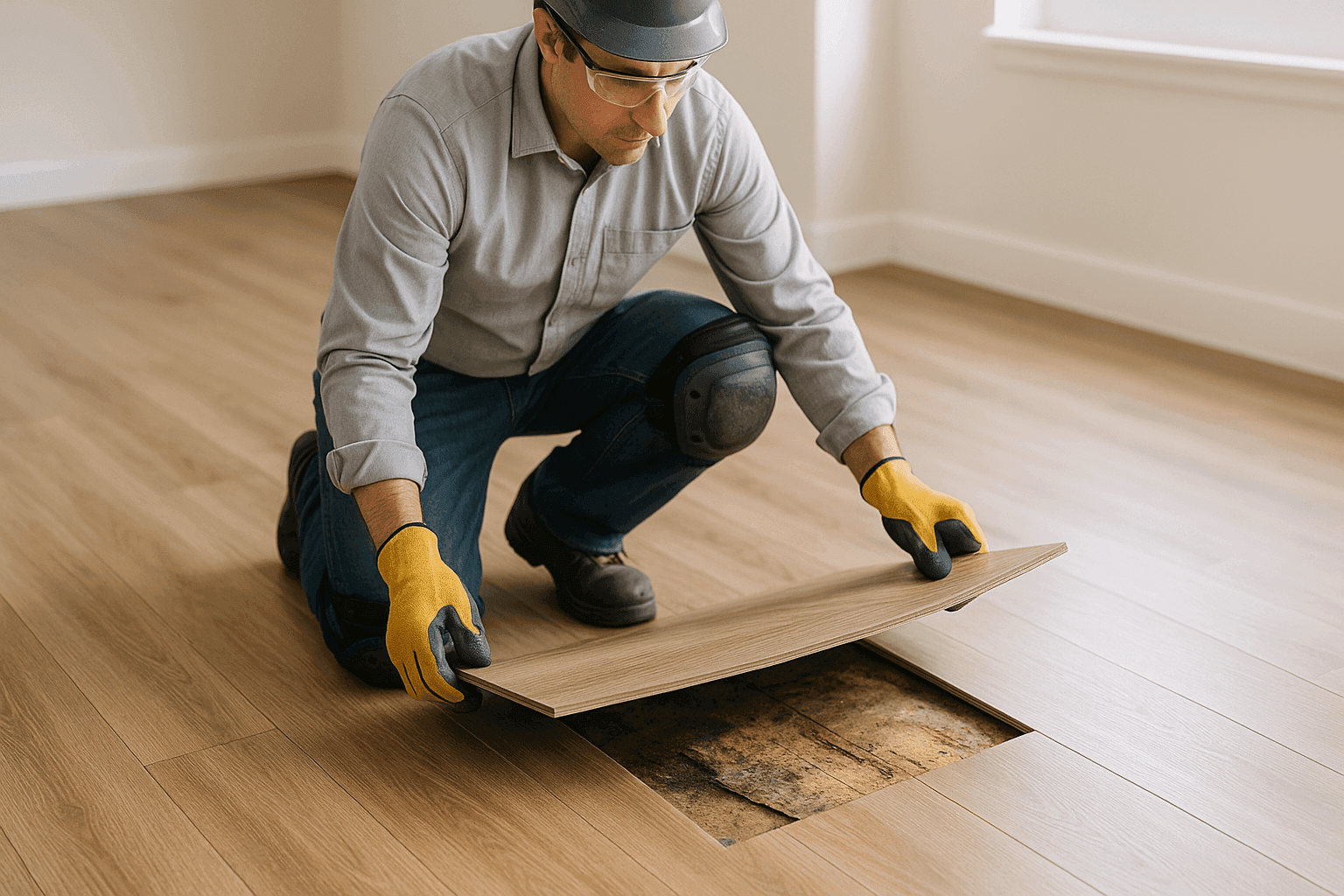
Is your home about to get a flooring upgrade? It's an exciting project, but hold up—what’s underfoot could spell trouble. The subfloor is like the stage beneath your favorite play: if it creaks, sags, or gets soggy, the whole show falls apart. At DND Flooring, we've seen beautiful new floors ruined by hidden subfloor problems. Too many homeowners only spot the warning signs after it’s too late.
Don't let your investment go down the drain. Knowing how to catch subfloor issues before you install new flooring can save you money, hassle, and heartache.
Why Subfloor Problems Matter
A solid subfloor is the backbone of your flooring. If it's in bad shape, even the priciest hardwood or the toughest tile will suffer. Think of the subfloor as the roots of a tree—if they rot, everything above starts to tilt, crack, or even collapse.
Skipping this step can lead to:
- Permanent floor damage
- Costly repairs
- Safety hazards
- Voided warranties
Let’s dig into the red flags, how to spot them, and what to do next.
Squeaks and Creaks: What Do They Mean? 🔊
What’s Happening
Every home has a few creaky spots, but widespread squeaking is a red flag. Floors that groan with every step aren’t just annoying—they’re telling you something’s loose, warped, or broken below.
How to Check
- Walk slowly across every room, especially near walls and transitions.
- Listen for squeaks, pops, or crunching.
- Mark noisy areas with painter’s tape.
What to Do
- Isolated squeaks might be fixed with extra fasteners.
- Multiple squeaks across large areas suggest loose or damaged subfloor panels. It’s time for a thorough inspection.
Tip: If you hear a “give” or feel a bounce, there could be a bigger problem lurking.
Sagging, Dips, and Uneven Spots: The Bumpy Road 🚧
What’s Happening
If your floor feels like a rolling hill, trouble’s ahead. Sagging, dips, or uneven patches mean the subfloor—or even the joists—may be damaged by moisture, age, or improper installation.
How to Check
- Place a long, straight object (a level or broom handle) across the floor.
- Look for gaps under the straightedge.
- Roll a marble and see if it changes direction suddenly.
What to Do
- Minor dips may be filled with leveling compound.
- Major sags could require subfloor replacement or structural repair.
- Always check for moisture—sagging plus dampness is a bad combo.
Watch out: Uneven floors can trip you up and ruin the look of your new flooring.
Signs of Moisture: The Silent Threat 🌧️
What’s Happening
Moisture is the enemy of every floor. If water gets into the subfloor, it can lead to mold, warping, and rot. This is especially true for basements, bathrooms, and kitchens.
How to Check
- Look for dark stains, musty smells, or soft spots.
- Use a moisture meter (available at hardware stores) for a quick reading.
- Check for visible mold or mildew.
What to Do
- Dry out small spots with fans and dehumidifiers.
- Large wet areas or visible mold? Stop and call a pro immediately. Mold can be hazardous to your health.
Remember: Moisture issues must be fixed at the source—don’t just cover them up.
Quick Safety Checklist ✅
Before you start any repairs or inspections, keep these safety basics in mind:
- Wear gloves and a mask if you suspect mold or dust.
- Turn off power in areas where water damage is present.
- Check building codes if you plan to do structural repairs (see the International Residential Code for guidance).
- Keep children and pets away from exposed or damaged floors.
DIY vs. Call a Pro
Some subfloor fixes are easy. Others aren’t. Here’s how to decide:
DIY-Friendly Tasks:
- Tightening loose screws or nails
- Filling tiny dips with patching compound
- Using a moisture meter
Call a Pro If:
- The floor sags more than 1/2 inch in any spot
- You find widespread moisture, mold, or rot
- There’s structural damage (cracked or broken joists)
- You’re unsure about what you see
A Flooring Consultation near you can provide peace of mind—and keep your project on track.
What Pros Do On Arrival
When DND Flooring arrives for a subfloor inspection, here’s what to expect:
- Visual Inspection: Checking every accessible area, including crawl spaces and basements.
- Moisture Testing: Using professional-grade meters for accuracy.
- Structural Assessment: Looking at joists, beams, and supports.
- Written Report: Detailing issues, root causes, and recommended fixes.
We follow standards set by the National Wood Flooring Association and the North American Laminate Flooring Association. Safety and code compliance always come first.
Prevention & Maintenance
A little care now saves a lot of stress later. Here’s how to keep subfloor trouble at bay:
- Fix leaks fast—under sinks, appliances, or windows.
- Use dehumidifiers in basements and crawl spaces.
- Install proper moisture barriers before new floors.
- Choose the right flooring for each room (e.g., waterproof options in bathrooms).
- Schedule regular floor inspections, especially in older homes.
Routine attention stops small problems from turning into big, expensive headaches.
Costs & Time Factors
Subfloor repairs can be quick—or a long haul—depending on what you find.
- Minor fixes: Tightening fasteners or patching dips can take a few hours and cost little.
- Moderate repairs: Replacing small sections of subfloor may take a day or two.
- Major issues: Full subfloor replacement or joist repair can take several days and cost more.
Delaying repairs always increases costs in the long run.
When It’s an Emergency 🚨
Don’t wait if you find:
- Water actively pooling on or under the floor
- Foul, persistent odors (a sign of mold or rot)
- Large, soft, or collapsing patches
- Exposed wiring or electrical hazards
Stop using the affected area and call for help right away. Your safety comes first.
FAQ
How often should I check my subfloor?
Check before every major flooring project and after any leaks or flooding. Annual inspections are a smart move for older homes.
Can I install new flooring over a damaged subfloor?
No. Any damage—moisture, sagging, or rot—must be fixed first. Ignoring it will ruin your new floor and may void your warranty.
What’s the best way to spot hidden moisture?
A moisture meter is your best friend. Also, watch for stains or musty smells—these can signal leaks behind the scenes.
Is subfloor repair covered by insurance?
Sometimes, if the damage is sudden (like a burst pipe). Long-term neglect usually isn’t covered. Check your policy or ask your agent.
Local/Seasonal Considerations
Climate matters. In wet or humid areas, moisture problems are more common. Basements and crawl spaces need extra attention. During rainy seasons, check for leaks more often. In winter, watch out for condensation and frozen pipes.
Homes in older neighborhoods may have subfloors that don’t meet modern codes. Always ask about previous repairs or water issues before buying or renovating.
Ready to make sure your next flooring project starts on solid ground? Don’t gamble with hidden subfloor problems.
Call DND Flooring now — or reach us anytime at 877-879-0701 .